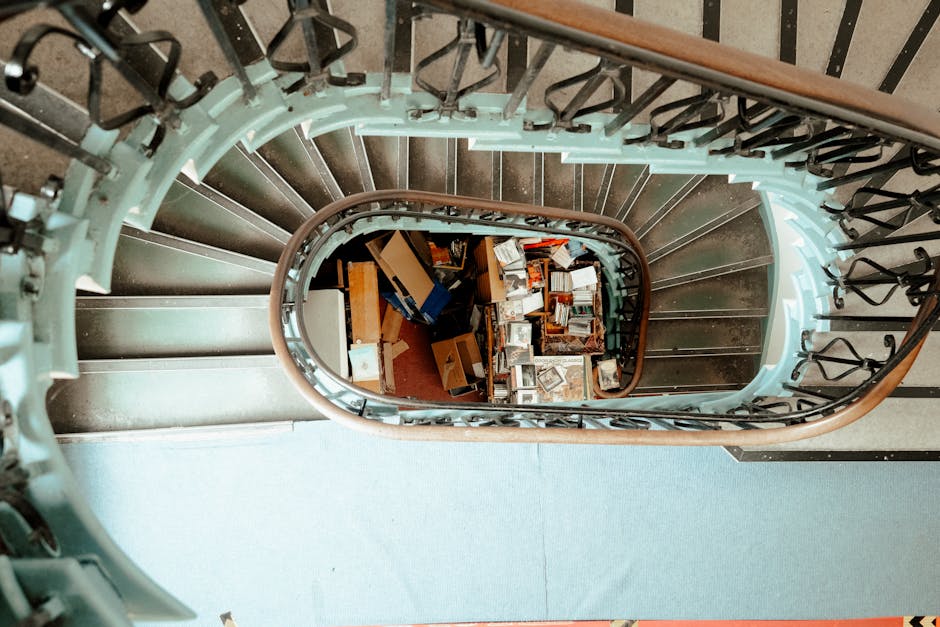
Staircase-only flats in Pimlico: moving pianos and beds
If you live in Pimlico, you already know the charm comes with a catch: elegant period buildings, narrow communal stairwells, and those awkward landings that seem to shrink the moment a bed frame or upright piano appears. Staircase-only flats in Pimlico: moving pianos and beds is not just a heavy-lifting job; it is a planning job, a measuring job, and, truth be told, a patience job as well.
This guide breaks down what makes staircase-only access different, how to move bulky items safely, when to get specialist help, and what to ask before you book. Whether you are moving a piano up three floors, taking a sofa bed down a tight spiral staircase, or trying to avoid scuffs on old bannisters, you will find practical advice here that you can actually use.
And yes, the stairwell really can be the whole story.
Table of Contents
- Why Staircase-only flats in Pimlico: moving pianos and beds Matters
- How Staircase-only flats in Pimlico: moving pianos and beds Works
- Key Benefits and Practical Advantages
- Who This Is For and When It Makes Sense
- Step-by-Step Guidance
- Expert Tips for Better Results
- Common Mistakes to Avoid
- Tools, Resources and Recommendations
- Law, Compliance, Standards, or Best Practice
- Options, Methods, or Comparison Table
- Case Study or Real-World Example
- Practical Checklist
- Conclusion
- Frequently Asked Questions
Why Staircase-only flats in Pimlico: moving pianos and beds Matters
Staircase-only access changes everything. A move that would be routine in a ground-floor property can become a careful, slow, multi-person operation once the lift disappears from the equation. In Pimlico, this comes up a lot in mansion blocks, converted terraces, and older apartment buildings where stair width, ceiling height, and turn radius can be more limiting than you first expect.
For pianos, the issue is obvious: they are heavy, awkwardly balanced, and sensitive to bumps. For beds, the challenge is different but just as real. A divan base might be manageable, but a king-size frame, a mattress in a vacuum bag, or a headboard with fixed corner joints can catch on handrails and walls at exactly the wrong moment. One awkward turn and suddenly you are dealing with damaged furniture, strained backs, and a very annoying delay.
That is why staircase-only moves deserve proper attention. They are not just about muscle. They are about protecting the item, the property, and everyone involved. If you are comparing options, it is worth looking at a mover's pricing and quotes process early, because the real cost of a staircase move often depends on access, not distance.
Expert takeaway: for staircase-only flats, the safest move is usually the one planned longest in advance. Measure first, carry second. It sounds simple, but it saves a lot of grief.
How Staircase-only flats in Pimlico: moving pianos and beds Works
The process starts before anyone lifts anything. A good move begins with access checks: stair width, landing size, rail height, door swing, and whether any corners are tighter than they look in photos. In many Pimlico properties, the issue is not the number of stairs; it is the shape of them. Small bends, narrow half-landings, and old plaster walls can all complicate the route.
With a piano, the approach is usually more controlled. Movers may use padded protection, specialist straps, and a team lift to manage weight distribution. The goal is to keep the instrument stable and avoid twisting it while turning corners. A grand piano, of course, is a different beast entirely from an upright, and the method changes accordingly. No shortcuts there.
With beds, the process depends on how the bed is built. Flat-pack frames can often be dismantled and carried piece by piece. Solid wooden frames may need careful unbolting. Mattresses can sometimes be rolled or protected in covers, but you still need to think about the route. You would be surprised how often a mattress is not the problem; the bed base is.
Professional movers also plan protection for the building. That means door jamb pads, bannister covers, floor runners, and corner guards where needed. In a staircase-only flat, this is not overkill. It is normal practice. If you want to understand how a reputable team frames safety, their health and safety policy and insurance and safety information are worth checking before you book.
A useful way to think about it: moving through stairs is part choreography, part engineering, part common sense. If any one of those is missing, the whole thing gets messy rather quickly.
Key Benefits and Practical Advantages
There is a reason experienced movers talk so much about planning and access. Done well, staircase-only moves bring a few very real advantages.
- Less risk of damage: controlled lifting and protective materials reduce the chance of chips, dents, and snapped fittings.
- Better use of time: once the route is measured and the furniture is prepared, the move tends to run more smoothly.
- Lower stress for residents: you are not improvising while standing in a stairwell with a mattress wedged sideways. That alone helps.
- More predictable costs: the clearer the access details, the easier it is to price the job properly.
- Safer handling: fewer rushed lifts means less strain on backs, fingers, and shoulders.
There is also a quieter benefit: goodwill with neighbours and landlords. In period blocks, you want to minimise noise, wall scrapes, and long queues on the stairs. A tidy, organised move is just easier on everyone. To be fair, that is often the difference between a smooth handover and a tense conversation in the hallway.
If your move involves multiple items, it may help to speak with the team directly through the contact us page so you can explain the access conditions in plain language rather than trying to squeeze everything into one short form field. It makes a difference.
Who This Is For and When It Makes Sense
This kind of move is for anyone dealing with a flat that has stair-only access and bulky household items. That includes tenants, homeowners, landlords, estate agents arranging a quick turnaround, and families moving between furnished or partially furnished homes.
It makes sense to treat the move as specialist work if any of the following apply:
- you have an upright or grand piano;
- you own a large bed frame, king mattress, ottoman base, or heavy headboard;
- the stairwell has tight turns or narrow landings;
- the property has delicate interior finishes, such as painted banisters or older plasterwork;
- you are moving during a short access window, which is common in London;
- you are not confident dismantling the bed safely.
It is also a sensible option if you are moving between floors within the same building. People sometimes underestimate internal moves because they are "just upstairs". Then the item arrives at the landing and, well, reality checks in. Hard.
For customers who want to understand the business behind the service, a reputable mover's about us page can help you judge whether the company sounds experienced, local, and straightforward. That sort of trust signal matters more than most people realise.
Step-by-Step Guidance
A safe staircase move is much easier when you break it into stages. Here is a practical sequence you can use whether you are moving a piano, a bed, or both.
- Measure the access route. Check stair width, landing depth, ceiling clearance, and the widest point of the item.
- Photograph the stairwell. Photos of corners, handrails, and narrow sections help the mover assess the route properly.
- Decide whether the item should be dismantled. Beds often need partial disassembly. Some pianos should never be taken apart by non-specialists.
- Protect the property. Lay runners, pad door frames, and clear loose items from the stairs and hallway.
- Assign roles. One person should lead, one should spot corners, and another should manage doors or landing space.
- Lift with the route in mind. Do not force a piece through a bend if a different angle is safer.
- Pause at landings. Small breaks help reset grip and avoid rushed mistakes.
- Reassemble and test. Check all bolts, feet, and fittings before using the item again.
For piano moves, this step-by-step discipline is even more important. A piano should be handled in a way that protects its frame, pedals, keyboard lid, and finish. For beds, the priority is usually keeping hardware together and avoiding mix-ups with bolts and brackets. A little organisation on the front end saves a lot of fiddling at the end. You know the feeling.
If you are managing payment or booking remotely, it is sensible to review the company's payment and security details so you know how bookings are handled. Nobody wants billing confusion on moving day.
Expert Tips for Better Results
These are the little things that make staircase-only moves noticeably easier. They are not flashy, just effective.
- Empty the bed first. Strip mattresses, remove drawers, and take off any loose fittings before the movers arrive.
- Use proper covers. Mattresses, headboards, and piano surfaces all benefit from protection, even for short stair journeys.
- Keep the stairwell clear. Shoes, umbrellas, and bin bags are annoying trip hazards. Simple, but overlooked.
- Check for awkward door swings. A door opening into the route can slow everything down more than you'd expect.
- Protect corners early. If a landing is tight, pad it before the item starts moving, not after.
- Use the light properly. Poor lighting on old staircase turns makes depth judgment tricky. Happens all the time in winter, around 4pm, when the hall looks a bit gloomy.
One small but important tip: take five minutes to decide where the item will sit once it reaches the flat. This is especially useful with pianos, which may need a stable, level spot away from radiators or direct sunlight. And with beds? Having the frame laid out before arrival makes the reassembly feel almost civilized.
If your move involves removing or replacing bulky items you no longer need, the company's recycling and sustainability guidance can be helpful. It is a sensible touch, and it avoids the last-minute panic of "where does this old mattress go now?".
Common Mistakes to Avoid
Most problems in staircase-only flats are preventable. The trouble is that they are usually the kind of mistakes people only spot once the item is already halfway up the stairs. That is a classic moving-day situation, and not a fun one.
- Not measuring first. Guessing the fit is one of the fastest ways to stall a move.
- Assuming a bed can stay assembled. Sometimes it can. Often it cannot. Check before you commit.
- Trying to carry a piano without specialist handling. Pianos are not just heavy; they are awkward and delicate in ways that are easy to underestimate.
- Forgetting the turning space. A stairwell can be wide enough in a straight line but impossible around the landing.
- Ignoring property protection. Old walls and bannisters are easy to scuff, and even a small mark can become an issue.
- Leaving hardware unlabelled. Bed bolts and fixings are tiny, yes, but losing one can slow everything down for ages.
One more thing: do not let "we'll manage somehow" become the plan. It sounds optimistic. It usually means stress, extra lifting, and a lot of muttering under breath. Better to slow down, reassess, and ask for a proper method.
Tools, Resources and Recommendations
The right tools matter, but only if they are used properly. For staircase-only flats, the kit usually revolves around protection, control, and grip.
| Tool or Resource | Why It Helps | Best Use Case |
|---|---|---|
| Padded blankets and covers | Protects surfaces from scrapes and dust | Pianos, bed frames, headboards, mattresses |
| Straps and lifting aids | Improves control and weight distribution | Heavy or awkward items on stair turns |
| Floor runners | Helps protect flooring and improve traction | Communal hallways and private stairs |
| Door and corner protection | Reduces damage to frames and plaster | Narrow entrances and tight landings |
| Access photos and measurements | Lets the mover plan accurately before arrival | Any staircase-only flat, especially older buildings |
If you are checking whether a company is suitable for a sensitive move, it is reasonable to review practical trust pages too. The terms and conditions page explains the service framework, while the privacy policy covers how your data is handled. These are not glamorous pages, but they matter. A lot.
You may also want to confirm whether accessibility needs can be discussed in advance, especially if anyone involved has mobility concerns or the building has unusual constraints. The accessibility statement is a useful reference point for that kind of service expectation.
Law, Compliance, Standards, or Best Practice
This kind of move does not usually involve complex regulation for the customer, but good practice still matters. In the UK, movers should handle items carefully, plan safe lifting, and avoid creating hazards in shared spaces. For you as the customer, the practical takeaway is simple: choose a company that treats health, safety, and property protection seriously, not as an afterthought.
In staircase-only flats, best practice typically includes:
- risk-aware handling of heavy items;
- clear communication about access constraints;
- appropriate protection for property and contents;
- reasonable care for neighbours, communal areas, and timing;
- transparent booking, payment, and service terms.
Insurance is especially worth asking about when moving a piano or a valuable bed frame. You do not need a lecture on paperwork, just reassurance that the mover has a sensible framework in place. The insurance and safety information should help you judge that quickly.
If anything goes wrong, you also want to know the complaints route in advance, not after the fact. A company with a clear complaints procedure is usually easier to deal with if a problem needs resolving. That sort of clarity is underrated.
Options, Methods, or Comparison Table
When moving pianos and beds in staircase-only flats, there are a few common approaches. The right one depends on size, weight, access, and how much risk you are comfortable taking on.
| Method | Best For | Pros | Limitations |
|---|---|---|---|
| DIY with friends | Light beds, simple frames, short internal moves | Low upfront cost, flexible timing | Higher risk of damage or injury, less control on tight stairs |
| Basic removals help | Standard bed moves, moderate stair access | More efficient than DIY, some handling experience | May not suit pianos or very awkward landings |
| Specialist heavy-item move | Pianos, oversized beds, tight or fragile staircases | Better protection, more planning, safer handling | Usually costs more, booking may need advance notice |
For many Pimlico properties, the specialist option is the sensible one. Not because everyone needs a luxury service, but because the access really does demand a more careful method. A staircase move is one of those jobs where the cheapest option can end up being the most expensive if it goes wrong.
Case Study or Real-World Example
Picture a second-floor flat in Pimlico with a narrow stairwell, a half-landing, and a turn that looks harmless until you stand there with a bed headboard in your hands. The resident needs a king-size bed taken out and an upright piano brought in the same day. It is a very normal London scenario, really, just with more lifting than most people would like.
In a sensible setup, the process starts with photos and measurements. The bed is dismantled in the flat, the mattress is wrapped, and the fixtures are bagged and labelled. The piano is checked separately for route clearance, with the stair width and landing space confirmed before the move. Protective covers are placed on the stair edges and the route is cleared of anything loose.
On moving day, the bed sections come down first because they are lighter and easier to manage through the bend. The piano follows with a controlled team lift, taking pauses at the landing to reset grip and check angles. No rushing. No drama. A bit of concentration, a bit of patience, and a clear lead from the person guiding the route.
At the end, the bed goes into the new room ready for reassembly, while the piano is positioned carefully and inspected for any signs of movement or scuffing. It sounds straightforward written down, but the key is that every step was planned before anything moved. That is the whole game.
Practical Checklist
Use this checklist before a staircase-only move in Pimlico. It keeps the job organised and helps avoid the usual last-minute scramble.
- Measure stair width, landing space, and door openings.
- Photograph any tight turns, low ceilings, or narrow corridors.
- Confirm whether the bed needs dismantling.
- Check whether the piano is upright, grand, or another type.
- Clear the hallway, stairs, and immediate entrance area.
- Protect flooring, bannisters, and corners.
- Label bolts, fixings, and smaller parts.
- Agree who will guide the route and who will assist.
- Confirm timing with neighbours or building management if needed.
- Review booking details, payment, and service terms in advance.
Quick practical note: if the item is valuable, sentimental, or difficult to replace, spend an extra ten minutes on planning. It sounds tiny. It is not tiny when you are standing on a landing with nowhere to pivot.
Get a free quote today and see how much you can save.
Conclusion
Staircase-only flats in Pimlico ask for a smarter kind of move. Pianos need control and protection. Beds need dismantling, route planning, and a calm head. The building itself adds the challenge, and that is exactly why preparation matters so much. If you get the measurements right, choose the right handling method, and work with a team that understands tight access, the job becomes far more manageable.
The good news is that these moves are absolutely doable. They just need respect. A bit of patience, a bit of know-how, and a willingness to stop and reassess when the corner looks too tight. That is not weakness; that is experience.
If you are still weighing things up, a reputable local mover should make the process feel clearer, not more complicated. Start with the details, ask sensible questions, and trust the plan. It will save you a headache or two, and probably a scraped wall as well.
Some moves are just furniture moves. Others are small puzzles. This one is a bit of both, and when it is handled well, it feels very satisfying indeed.
Frequently Asked Questions
Can a piano be moved safely up or down a staircase-only flat in Pimlico?
Yes, often it can, but it depends on the type of piano, the stairwell dimensions, and the number of people handling it. Uprights are usually more manageable than grand pianos. The route should be measured before the move begins.
Do beds always need to be dismantled for a staircase move?
Not always, but many do. Flat-pack beds, divan bases, and beds with removable parts are usually easier to take apart and carry in sections. A solid frame may still fit intact if the stairwell is generous, but that is less common in older Pimlico properties.
What is the biggest risk when moving large items in staircase-only flats?
The main risks are damage to the item, damage to the property, and injury from poor lifting or bad positioning. Tight corners and awkward landings are where most problems happen.
How do I know if my staircase is too narrow for a bed or piano?
Measure the narrowest point of the stairs, the landings, and the doors. Then compare those measurements with the item's widest dimensions, including any packaging or protective covers. If you are unsure, send photos and measurements to the mover for a proper assessment.
Is it better to move a piano or bed myself to save money?
Sometimes, but only for lighter, simpler items and easy access. For a piano, DIY is usually not the best idea. For beds, DIY can work if the frame is light and the stairs are straightforward. On a staircase-only route, cost savings can disappear fast if something gets damaged.
How long does a staircase-only move usually take?
It varies a lot. The time depends on access, item size, whether dismantling is needed, and how many flights are involved. A careful move often takes longer than people expect, especially if there are narrow turns or delicate building finishes.
Will movers protect the walls and bannisters?
They should. Good movers typically use padding, covers, and floor protection where needed. In a staircase-only flat, that protection is not optional in spirit; it is part of doing the job properly.
What should I do before movers arrive?
Clear the stairwell, remove loose items, empty the bed if needed, and make sure access is open. Have photos and measurements ready. It also helps to know where the item will go once it reaches the flat.
Can I keep my mattress rolled to make it easier to move?
Some mattresses can be rolled or compressed if they are designed for that, but not all. Check the mattress type first. Forcing a mattress to bend or roll when it is not meant to can damage it.
What if the move is in a shared building with neighbours?
Try to keep noise and hallway blockage to a minimum, and give notice if needed. In shared buildings, courtesy matters. A well-organised team will usually move faster and leave less disruption behind.
How do I compare quotes for a staircase-only flat move?
Look beyond the headline price. Check what access details were included, whether protection and dismantling are covered, and whether the quote reflects the difficulty of the stairwell. A proper quote should feel specific, not vague.
Who should I contact if I have special access concerns?
It is best to contact the mover directly and explain the access issues in detail. If you need to share photographs, measurements, or timing constraints, use the company's contact us page so everything is clear from the start.